Cart
0
You may also like


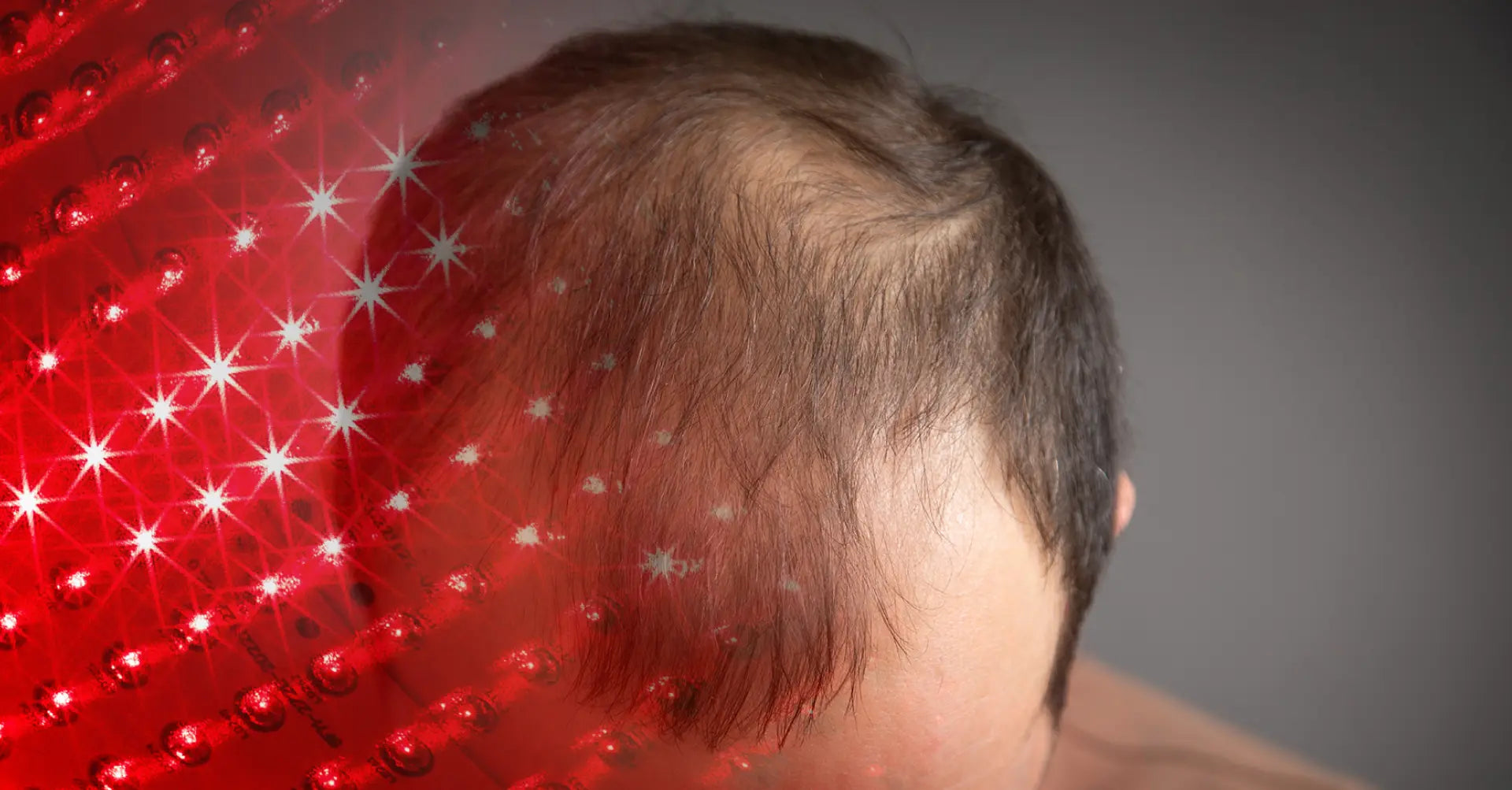
Androgenetic Alopecia (AGA) is the leading cause of hair loss in both men and women. Approximately 50 percent of men over 50 and 50 percent of women over 80 will have the condition. Hair loss not only affects appearance but also impacts the quality of life and self-confidence of many patients.
While medications such as Finasteride and Minoxidil have gained widespread acceptance, they are limited by side effects and efficacy, leading to the search for new alternatives. One approach that has gained traction is Low-Level Laser Therapy (LLLT) , which uses low-energy laser light to stimulate hair follicle cell activity.
This study was a systematic review of the literature using Medline , Google Scholar , and Embase databases from 1960 to 2015. Eleven studies on the use of LLLT in AGA patients were included, with a total of 680 participants (444 men and 236 women).
Hair growth efficiency
Nine out of 11 studies reported that LLLT significantly increased hair growth and density .
The average hair growth is between 15–25 strands per square centimeter over a period of 16–26 weeks.
Best results were found in devices using a wavelength of approximately 655 nm.
Hair thickness and strength
Two out of four studies found that hair thickness and resistance to traction improved after continued use of LLLT.
This change is consistent with the improvement of the “Anagen Phase” in the hair roots.
User satisfaction
Most participants reported that their hair loss had slowed down and their hair was stronger and healthier.
Subjective outcomes are often “less prominent than objective outcomes,” suggesting that reasonable expectations should be set before treatment.
Safety and side effects
LLLT is considered very safe.
Some common side effects include dry skin, itchy scalp, a slight warming sensation, or redness , which are temporary and mild.
Low-energy laser light therapy stimulates cells in the hair follicles to produce more ATP (cellular energy), increase blood flow, and stimulate gene expression related to hair growth. The result is:
Stimulates hair roots to enter the Anagen phase (new growth) faster.
Prolonging the hair growth period
Reducing the process of hair root atrophy ( miniaturization ), which is the main mechanism of genetic hair loss.
From academic evidence from 2003–2015, it was found that
LLLT is a safe, effective, and promising treatment for both men and women.
FDA-cleared devices like the HairMax LaserComb and TOPHAT 655 have the most robust data available.
LLLT is suitable for those who do not want to use medication long-term or are not yet ready for a hair transplant.
References Afifi, L., Maranda, E.L., & Zito, P.M. (2017). Low-level laser therapy as a treatment for androgenetic alopecia. Lasers in Medical Science , 32(6), 1429–1436.
https://doi.org/10.1007/s10103-017-2235-8


